
Freeze-Thaw Stability: Why Tapioca Starch Outperforms Potato Starch in Frozen Foods
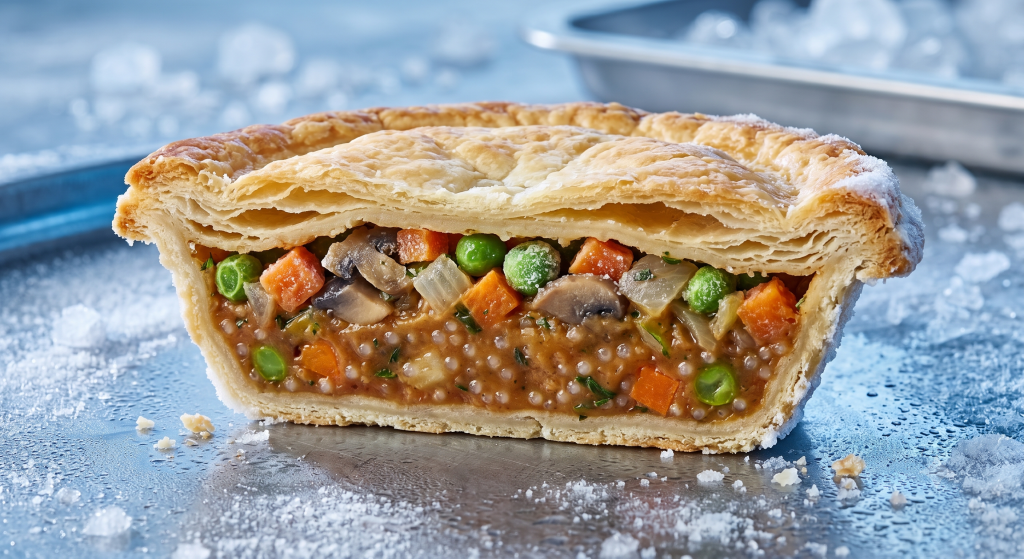
For procurement managers and directors in the frozen food sector, maintaining structural integrity across the cold chain is a constant battle. The harsh process of freezing, storing, and thawing commercial food products often causes severe texture degradation. When functional starches fail to lock in moisture, products suffer from syneresis—commonly known as “weeping” or water separation.
While potato starch and tapioca starch are both popular root-derived options used to thicken frozen meals, sauces, and desserts, their molecular behavior under cold temperatures is vastly different. Choosing the wrong binder can lead to watery fillings, grainy textures, and compromised product quality by the time it reaches the consumer.
The Direct Answer: Why Tapioca Wins in Cold Chain Applications
Tapioca starch outperforms potato starch in frozen foods due to its unique amylose-to-amylopectin ratio, which resists retrogradation during freezing cycles. While potato starch breaks down and releases bound water under cold stress, tapioca starch maintains a smooth, resilient gel network that eliminates syneresis and preserves ideal product texture.
The Science of Freeze-Thaw Stability
To understand why tapioca starch holds up better in industrial freezers, operations and R&D teams must look at how starch granules behave when exposed to sub-zero temperatures.
Starch Retrogradation Explained
When a starch gel cools, the mobilized amylose and amylopectin chains begin to realign and form crystalline structures. This molecular realignment is called retrogradation. As these chains pull closer together, they force water out of the gel matrix.
Potato starch contains large granules with high molecular weight amylose. When frozen, these chains retrograde rapidly, causing the gel network to fracture and weep heavily upon thawing. Tapioca starch features a distinct branched molecular layout that physically blocks tight crystallization, preventing the starch from expelling moisture.
Syneresis Prevention
Syneresis destroys consumer appeal in frozen gravy, meat pies, and ready-to-eat meals.
With Potato Starch: Thawing separates the product into a watery layer and a spongy, unappealing solid mass.
With Tapioca Starch: The water molecules remain trapped within the flexible starch bonds, ensuring the product retains its original, homogenous viscosity after microwave or oven reconstitution.
Performance Comparison under Sub-Zero Stress
Industrial food processing requires raw ingredients that can survive multiple flash-freezing and thawing cycles during transport and warehousing.
| Functional Property | Native Tapioca Starch | Native Potato Starch | Production Impact |
| Freeze-Thaw Resilience | High (Multiple cycles) | Low (Prone to collapse) | Extends shelf life of frozen goods |
| Water Retention (Thawed) | Strong / No Weeping | Weak / Severe Syneresis | Eliminates soggy packaging and separations |
| Gel Microstructure | Flexible & Cohesive | Rigid & Brittle | Maintains smooth, creamy mouthfeel |
| Viscosity Stability | Consistent over time | Drops rapidly after freezing | Protects original recipe specifications |
For food scientists and R&D managers, the search for the “perfect” texturizer often leads back to a staple of the industry: native tapioca starch. Read about What is Native Tapioca Starch?
Operational Advantages of Sourcing Tapioca Over Potato Starch
Shifting your factory’s frozen food formulations to tapioca starch provides strategic operational and financial benefits that directly impact your factory margins.
Reduction in Stabilizer Additives: Because native tapioca starch naturally possesses excellent freeze-thaw characteristics, you can reduce or eliminate expensive secondary stabilizers like hydrocolloids or chemically modified gums, simplifying your ingredient list.
Clean Label Compliance: Consumers are increasingly wary of chemically altered texturizers. Utilizing native tapioca starch allows you to claim “clean label” or “natural” status on your frozen food packaging while achieving the structural stability typically reserved for modified starches.
Neutral Optical Clarity: Tapioca creates a crystal-clear sheen that makes frozen fruit pie fillings and glazes look vibrant and fresh, whereas potato starch can introduce an unappealing cloudiness or matte finish.
Secure Premium Frozen Food Solutions with Amerta Pacific
At Amerta Pacific, we understand that your frozen food brand’s success relies on delivering a consistent sensory experience from the factory floor to the kitchen table. We specialize in sourcing and distributing premium-grade bulk tapioca starch designed to withstand the strict demands of industrial cold chains.
Our wholesale distribution network offers:
Rigid Quality Standards: Consistent amylose-to-amylopectin balance across every container load to ensure uniform freeze-thaw performance.
Optimized Supply Chains: Reliable shipment scheduling from top regional processing hubs, keeping your manufacturing lines running without seasonal interruptions.
Technical Compliance Support: Full documentation including complete Certificates of Analysis (COA), non-GMO validation, and international food safety certifications.
Frequently Asked Questions (FAQ)
Q: Can tapioca starch completely replace modified starches in frozen food recipes? A: In many standard frozen food applications, high-quality native tapioca starch can effectively replace modified starches. For extreme industrial processing involving high shear and ultra-low acidity, a combination or a clean-label modified tapioca variant may be recommended.
Q: Does potato starch have any advantage over tapioca starch? A: Potato starch can achieve a very high initial peak viscosity at low temperatures, making it useful for instant room-temperature thickening. However, it cannot maintain this viscosity under cold-chain freezing stress, making tapioca the correct choice for frozen applications.
Q: How does tapioca starch react to flash freezing (IQF)? A: Tapioca starch performs exceptionally well under Individual Quick Freezing (IQF) systems. Its rapid hydration and stable gel formation help protect the cell walls of processed foods during high-speed freezing.
Protect Your Product Integrity Across the Cold Chain
Do not let poor freeze-thaw stability undermine your product quality and brand reputation. Transitioning to a reliable, high-performing tapioca starch matrix ensures your frozen entrees, sauces, and baked goods look and taste exactly as your R&D team intended.
Ready to eliminate syneresis in your frozen production lines? Contact Amerta Pacific today to discuss your technical specifications, request laboratory samples, and secure volume-based bulk pricing for your next production run.